Funding Your Church Initiatives
A new way to fund what your congregation cares about most.
Explore Initiatives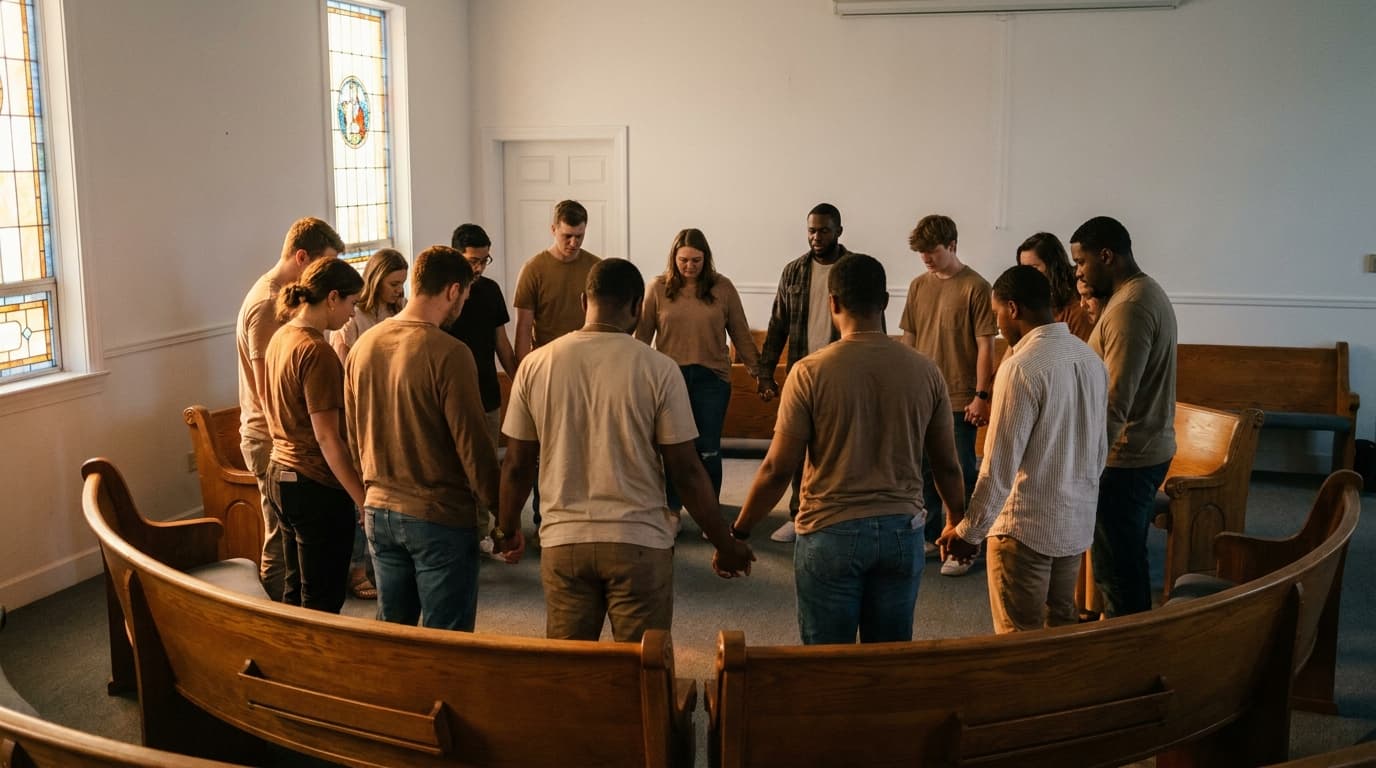
If you have spent any time on this site, you have read about the Member Reserve and how CoSpark's commonwealth model turns ordinary savings into distributable wealth. You may have read about Initiatives and how groups of Members pool their participation to generate Boost Payments for a shared cause. This article is about a variation of that structure built specifically for churches to create a new, recurring funding stream without asking your congregation to give more.
The people who care about your church already give what they can. The same families show up every Sunday. The same names appear on every pledge card. The people who give the most are often the ones who can afford it least, and the people who could give more are already stretched across mortgages, tuition, and retirement savings. This program works differently. It asks them to save and it turns their savings into real money for the ministry they believe in.
In Short: Your group saves money together. CoSpark holds it in a protected reserve. The church receives monthly corporate-funded payments generated by that participation. After five years, every dollar comes back to the people who placed it.
How It Works
You organize a group of people connected to your church. Each person commits to setting aside a monthly amount as savings, separate from their existing tithing and giving. The group files a General Member Agreement with CoSpark, and contributions begin flowing into a protected reserve.
The money in that reserve belongs to the participants. It stays protected, tracked to the penny, for the full 60-month cycle.
Because the group is participating in the CoSpark commonwealth, their reserve activity enables CoSpark's business enterprises to generate revenue. A portion of that revenue is sent directly to the church each month as a corporate-funded payment, called a Boost Payment. The participants' money stays in reserve. The funding your church receives comes from a separate revenue stream.
At the end of 60 months, every participant receives 100% of their contributions back. The church keeps everything it received. If desired, the group can then recommit the same capital for a second cycle, generating a new round of funding.
Step 1 — Group saves together. Participants set aside new monthly savings into a protected CoSpark reserve.
Step 2 — CoSpark generates revenue. The reserve activity enables CoSpark's businesses to generate corporate revenue.
Step 3 — Church receives Boost Payments. A portion of that revenue flows to your church as monthly corporate-funded Boost Payments.
Step 4 — Participants get every dollar back. After 60 months, 100% of contributions are returned. The church keeps all it received.
Where the Funding Comes From
This is the question you will be asked most often, and you need to be able to answer it clearly.
CoSpark is a commonwealth: a network of businesses and members whose reserves create economic capability. Those reserves form the bedrock that allows CoSpark's member companies to operate, generate revenue, and distribute a portion of that revenue back to participants and the causes they support.
When your group places money in reserve, you are adding to that foundation. CoSpark's businesses generate revenue from the capability your participation helps create. A portion of that revenue flows to your church as a Boost Payment.
The participants' money stays in reserve throughout the cycle, does its work by existing within the commonwealth, and comes back in full when the cycle ends. The funding your church receives is newly generated wealth from CoSpark's distributable business revenues.
The participants' money is the foundation, not the source. The church's funding is new wealth, not redistributed savings.
How the Group Works
This program is built around groups where the members operate as one, not as lone individuals. That structure is deliberate, and understanding it will help you explain the program to others.
Forming the Group
You gather a group of people connected to the church who want to participate, and the group can start with as few as five people. You choose a name, appoint yourself or someone else as the group leader, and file a General Member Agreement (GMA) with CoSpark through an Advisory Board Member (ABM).
The group itself becomes the CoSpark Member. Each member commits to the group and, in turn, the group commits to CoSpark.
The Corporate Commitment
The group makes a total monthly commitment representing the combined amount all participants will place. One person might commit $25, another $100, another $200. While each member's amounts may differ, every person's participation carries equal value to the group's corporate effort.
If a participant drops out, the remaining members either absorb the difference or recruit new participants, because the group is responsible for maintaining its total commitment. That shared accountability keeps the funding consistent and gives the structure its durability over the full cycle.
The Group Leader's Role
As group leader, you carry real responsibility. You organize the group, communicate with CoSpark through your ABM, manage the commitment, and serve as the bridge between the group and the church's leadership. When the first corporate-funded payment arrives, you are the one who walks it in and explains what it represents.
What Your Church Receives
Here is an example of what happens with a group that places $1,000 per month.
First 12 Months: the Enhanced Rate
For every $1,000 the group places, CoSpark sends $500 in Boost Payments to the church. This enhanced first-year rate (contribution divided by 2) is unique to church group initiatives. It is CoSpark's incentive to help new groups build early momentum, and it means your church sees meaningful funding from day one.
Months 13–60: the Standard Rate
After the first year, the rate adjusts to the standard formula used across CoSpark's network. For every $1,000 placed, the church receives approximately $308 (contribution divided by 3.25). The expectation is that the group has grown by then. More participants means more total placement, which can offset or exceed the rate change.
At Month 60: Full Refund
Every dollar the group placed over the cycle is returned to the group, which distributes it to each member in full, while the church keeps everything it received throughout those five years.
Here is what that looks like over a full cycle:
| Amount | |
|---|---|
| Group monthly placement | $1,000 |
| Year 1: Boost Payments to church ($500/mo × 12) | $6,000 |
| Years 2–5: Boost Payments to church ($308/mo × 48) | $14,769 |
| Total received by church over 60 months | $20,769 |
| Total placed by group over 60 months | $60,000 |
| Refunded to participants upon redemption | $60,000 |
Read that last line again: The participants placed $60,000 over five years and received all of it back. The church received $20,769 in new funding that came from CoSpark's corporate revenue, never from anyone's pocket. That is the math at a fixed $1,000 monthly placement, and the numbers grow as the group grows.
A Walked Example: Grace Community Church
David, a deacon at Grace Community Church, has watched the church struggle with the same funding gap for years: the ministry keeps growing, but the money comes in at roughly the same pace it always has. The church needs to replace the aging HVAC system in the fellowship hall and repave the parking lot, and the price tag is $45,000. A traditional building fund drive might raise a third of that. The rest would take years of incremental saving.
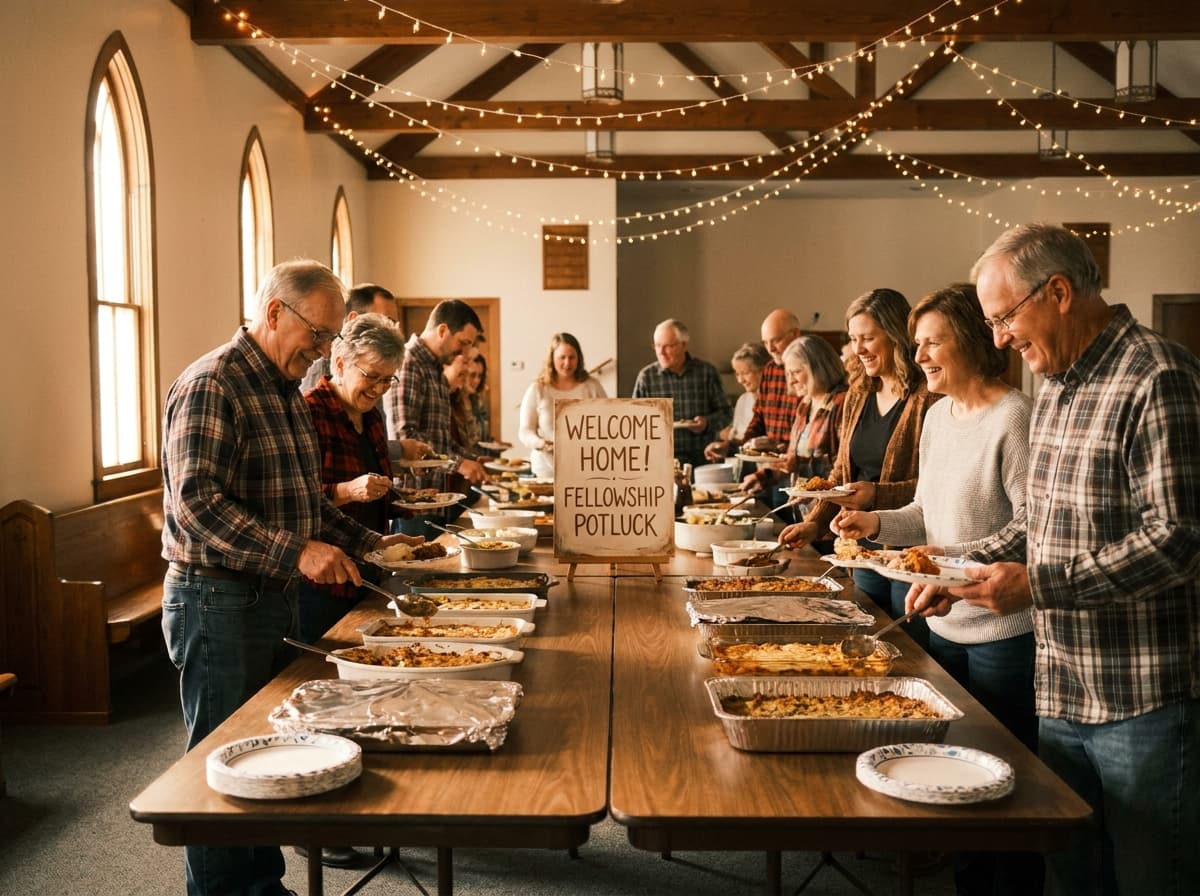
David reads about CoSpark's group initiative program and decides to organize a group, starting with 12 families who are already invested in the church's future. He explains the concept: set aside what you can each month as new savings, your money stays yours and comes back in full after five years, and CoSpark will send corporate-funded payments to Grace Community based on the group's participation.
The 12 families commit to an average of $85 per month each, putting the group's total monthly placement at $1,020. David files the General Member Agreement with the help of an ABM, names the group, and contributions begin.
Month 1
The group places $1,020, and CoSpark sends $510 to Grace Community as the first Boost Payment. David walks the check into the pastor's office.
Month 6
The group has placed $6,120 in total, and Grace Community has received $3,060 in cumulative Boost Payments. The pastor is starting to notice a pattern: this money keeps arriving month after month, and nobody in the congregation has given less to the church as a result.
Month 13
Word has spread, and the group has grown to 18 families with a monthly placement of approximately $1,530. The rate has shifted to the standard formula, but the larger group means the church receives roughly $470 per month, which keeps the funding close to the first-year pace.
Month 60
All contributions are refunded to the participants, every dollar returned exactly as committed. Grace Community has received well over $25,000 in cumulative Boost Payments across the five-year cycle, and the facilities upgrade was funded without a single dollar coming from anyone's existing tithing and giving.
“We're starting cycle two. Same money, new round of funding. Who else wants in?”
The long view: A second cycle with the same capital generates another full round of Boost Payments, and a third cycle does it again. Over 15–20 years, the same $60,000 in participant capital could generate well over $60,000 in cumulative funding for the church, and the participants still have every dollar they started with. That is what cyclical deployment looks like.
A Critical Consideration
Every dollar placed with CoSpark must be "new money"
Every dollar placed with CoSpark must be "new money" — not redirected donations or money pulled from what someone already gives to the organization. It should be new savings, set aside in addition to the support the church already receives.
If participants reduce their existing tithing and giving to fund their CoSpark commitment, the church loses on one side what it gains on the other. The math still works, but the trust does not, and trust is what makes this model sustainable over multiple cycles.
If someone cannot do that without reducing their existing support, they should wait until they can. Protecting the church's current funding base matters more than growing the group quickly.
Getting Started
If you are ready to organize a group, here is the practical path.
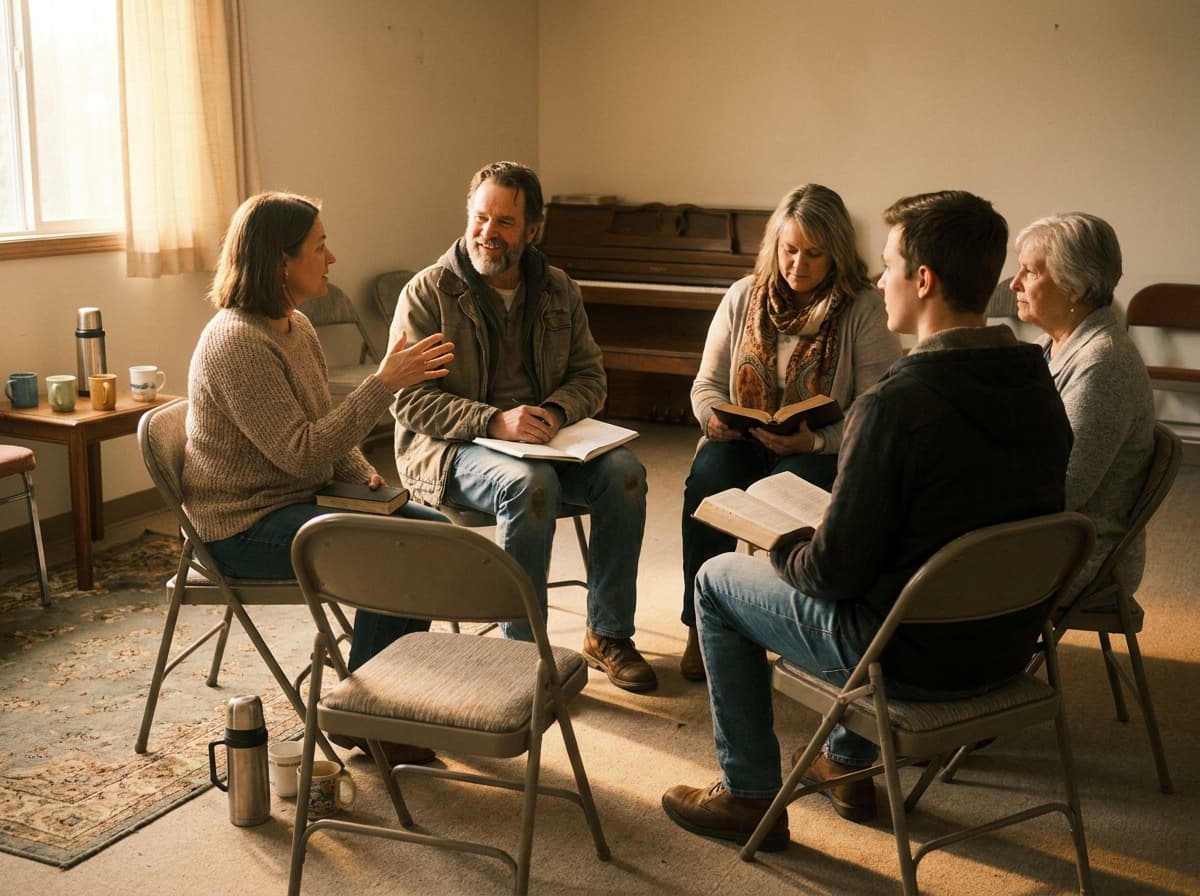
Step 1: Identify your core group. Start with people who already care about the church and who can set aside new savings each month. Five committed participants is enough to launch. Ten is better.
Step 2: Explain the concept clearly. Every participant needs to understand three things: their money stays in a protected reserve and comes back in full after five years; CoSpark sends corporate-funded Boost Payments to the church based on the group's participation; and this is new savings, not redirected tithing and giving. If someone cannot commit new money, they should not join the group.
Step 3: Choose a name and file the General Member Agreement. Work with an Advisory Board Member (ABM) to file the GMA on behalf of the group. The ABM is your guide through the process and your ongoing point of contact with CoSpark.
Step 4: Establish the group's total monthly commitment. Each participant commits what they can sustain for the duration of the cycle, and the group's commitment is the combined total of each member's amounts. Your ABM will help coordinate the next steps.
Step 5: Begin contributions and deliver the first payment. Once the group is active and the first Boost Payment is generated, bring it to the church's leadership personally. Let the check do the talking.
Step 6: Grow the group over time. After the first year, the per-dollar rate adjusts, so growing the group is the primary lever for maintaining or increasing the monthly payments. Talk about what the group is accomplishing, invite people in as they show interest, and let the results speak for themselves over time.
Common Questions
One More Thing
The people who support your church want to do more. Most of them already give what they can, and they would give more if they could do it without falling behind on their own obligations. This program gives them a way. It asks them to save, and it converts that saving into sustained funding for a ministry they believe in.
The funding is real. The structure is sound. The math is on the table. And the only thing it asks of you is a willingness to organize a group and let the results build the case.
Form a group. Fund your church. Keep every dollar.
Set aside new savings together. Your money stays yours and comes back in full after five years. The church receives Boost Payments throughout the cycle. Nobody gives anything away, and the funding can continue cycle after cycle. That is what a commonwealth makes possible.